
The Hookah Lab is dedicated to supporting smoking industry enthusiasts, and we are excited to share the story of the National Cigar Museum, now known as the Cigar History Museum.
The cigar and hookah industries are related in that both involve the production, distribution, and consumption of tobacco products. However, there are some differences between the two in terms of the products themselves, the methods of consumption, and the cultural contexts in which they are used.
Cigars have a long history in the Americas, particularly in the Caribbean and Central American countries, where they have been considered a symbol of luxury and status. Hookah, also known as shisha, narghile, or waterpipe, has its origins in the Middle East and South Asia. It has been an integral part of social gatherings and traditional customs in these regions for centuries.
Certain hookah tobacco manufacturers create unique flavors by incorporating cigar leaves into their blends. This innovative approach combines the distinct characteristics of cigars with the aromatic qualities of traditional hookah tobacco, offering a novel smoking experience for enthusiasts of both products.
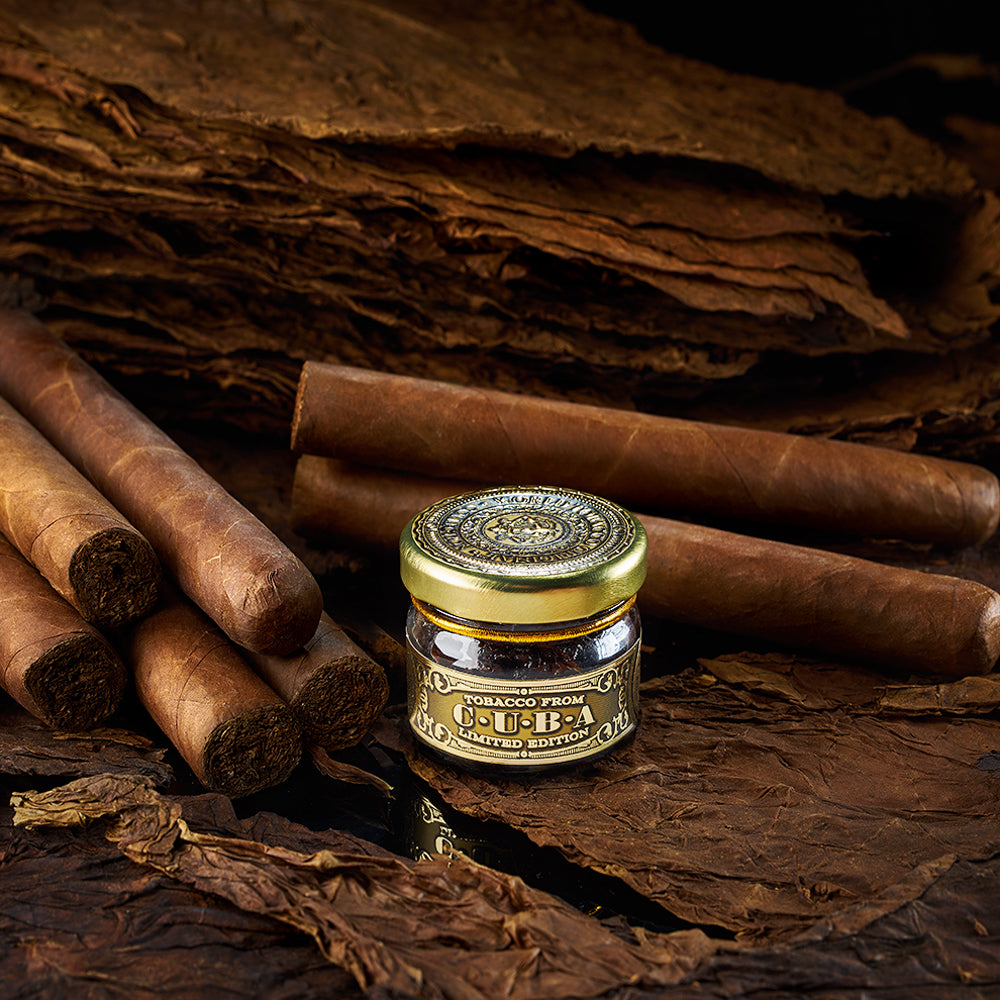

The National Cigar Museum was a virtual museum dedicated to the history and culture of cigars, cigar manufacturing, and the people who contributed to the industry. The museum's goal was to preserve, document, and share the rich heritage of cigars and their importance in various societies throughout history. As a virtual museum, it primarily existed online, offering exhibits, articles, and photographs that provided insight into the world of cigars.

The National Cigar Museum covered topics such as the origins of tobacco, the process of making cigars, the art of cigar smoking, and the impact of the cigar industry on economies and communities. The museum also showcased famous cigar smokers, vintage advertising, and cigar-related memorabilia. By providing this information, the museum aimed to educate the public about the historical significance of cigars and their role in shaping social customs and traditions

If you're not only interested in cigars but also enjoy hookah tobacco, we are proud to present Al Fakher, the top shisha brand currently available in the market.